The Ultimate 14-Day Egypt Itinerary: A Masterclass in Modern & Ancient Discovery
Last Updated:
Why 14 Days Is the Perfect Tempo to Feel Egypt's Pulse
Egypt does not reward the rushed. It rewards the patient, the present, the traveller who lingers long enough for the country to reveal itself — layer by layer, like the strata of a freshly excavated dig site.
Seven days is a highlight reel. Ten days is a decent sampler. But 14 days? That is the sweet spot where Cairo stops feeling overwhelming and starts feeling like home. Where Luxor shifts from awe-inspiring to intimately familiar. Where the Red Sea stops being a backdrop and becomes a daily ritual.
This itinerary is not a checklist. It is a rhythm — a carefully sequenced journey that moves from the frenetic energy of one of the world's great megacities through the monumental grandeur of antiquity, into the Nubian warmth of the deep south, and finally to the salt-laced, slow-living magic of Sinai. By Day 14, you will not just have seen Egypt. You will have felt it in your bones.
Pack light. Bring patience. Prepare to be undone.
[RELATED_POST:why-egypt-deserves-two-weeks]
Phase 1: Cairo's Layers — Days 1–4
From the Giza Plateau to the Leafy Streets of Zamalek
Cairo is not a city you visit. It is a city you survive, adore, and then desperately miss the moment you leave. With a population nudging 22 million, it pulses with an electricity that is entirely its own — car horns as percussive instruments, the call to prayer echoing off Mamluk minarets, the smell of koshary drifting from steel pots on every corner. Arrive with open eyes and an empty stomach.
Day 1 — Arrival & Orientation: Land at Cairo International, clear customs, and resist the urge to do anything ambitious. Take an Uber directly to your hotel (the app works seamlessly here and eliminates fare negotiation entirely — a game-changer for first-timers). Spend the afternoon walking the Corniche along the Nile in Zamalek, the leafy island district that will become your quiet refuge from the city's roar. Dinner at a rooftop restaurant overlooking the river is non-negotiable for your first evening.
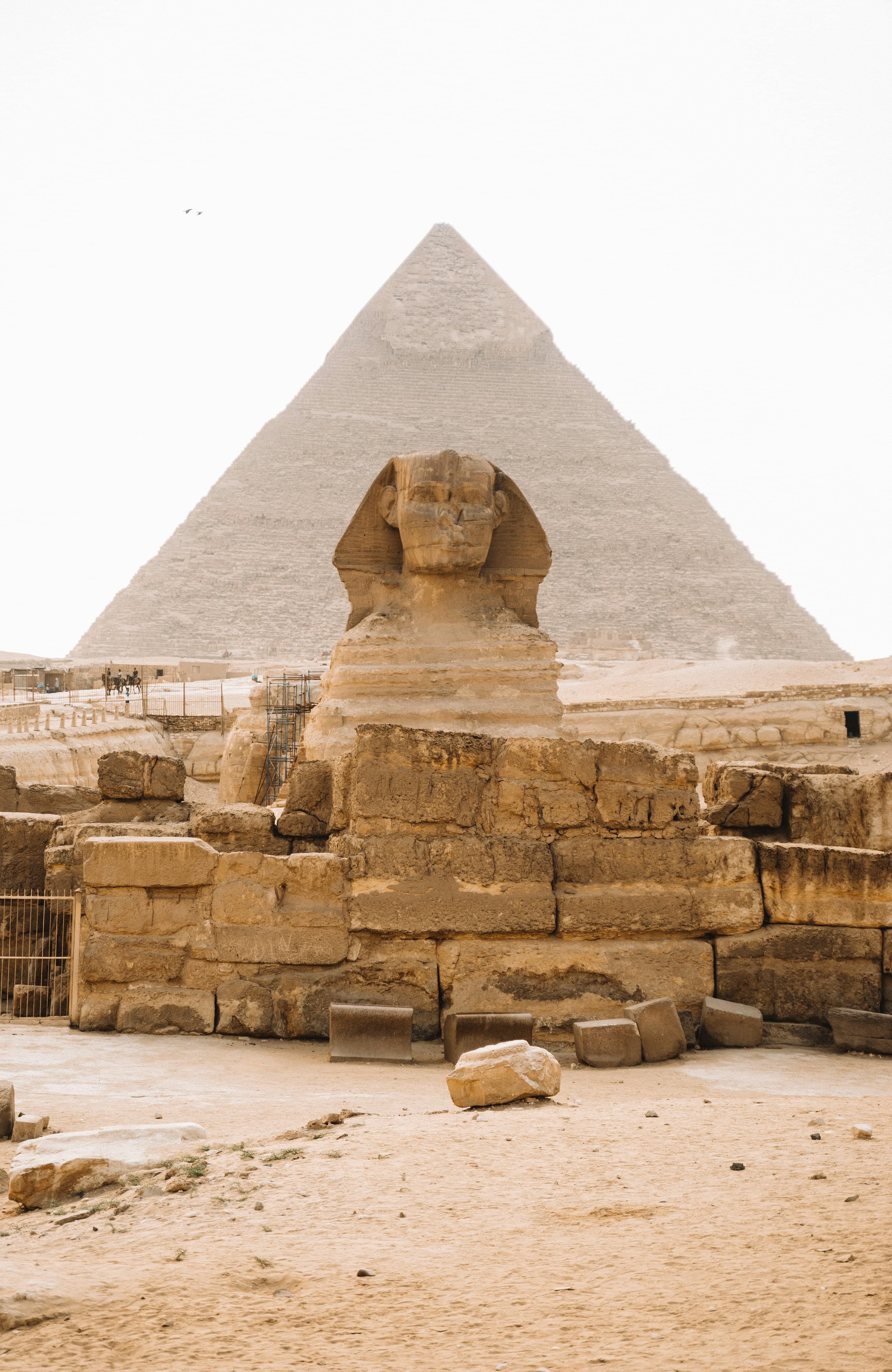
Day 2 — The Giza Plateau: Rise before dawn. This is not a suggestion. The Pyramids at first light, with mist still hovering over the limestone plateau and a handful of other early risers scattered across the desert, is one of the defining experiences of a life spent travelling. The Great Pyramid of Khufu, the Pyramid of Khafre, and the brooding, watchful face of the Great Sphinx — these are not monuments that photographs prepare you for. They are disorienting in their scale. Humbling in their permanence.
Book your entry tickets online in advance through the official Egyptian Ministry of Tourism portal to skip the queues. If the budget allows, the Solar Boat Museum adjacent to the plateau houses a reconstructed 4,500-year-old cedar vessel in a state of extraordinary preservation — do not overlook it.
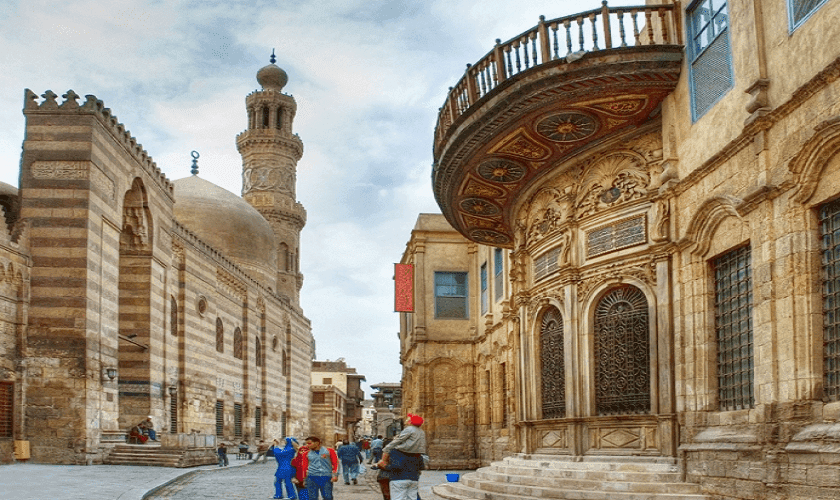
Day 3 — Islamic Cairo: Cairo's medieval heart is a UNESCO-listed corridor of mosques, minarets, madrasas, and merchant houses stretching across centuries of Fatimid, Ayyubid, and Mamluk rule. Walk the full length of Al-Muizz Street — the oldest preserved urban street in the Islamic world — in the late afternoon when the light turns golden and the stone facades glow like amber.
Climb the Citadel of Saladin for a panoramic view that has barely changed in 800 years. Descend into the labyrinthine Khan el-Khalili bazaar for spices, handcrafted copper, and the finest hibiscus tea you will ever drink, served in a glass at El Fishawy café — a coffeehouse that has been open, without interruption, since 1797.
Practical Note on Cairo's 'Vibrant Energy': Persistent vendors near major sites are an immutable feature of the experience, not a defect. A warm but firm "La shukran" (No, thank you) is universally understood and respected. Engage with curiosity where you feel comfortable; the conversations that spontaneously emerge are often the trip's most memorable.
Day 4 — Museums, Modern Cairo & Departure Prep: Dedicate your final Cairo morning to the Grand Egyptian Museum (GEM) in Giza — the largest archaeological museum on earth and the permanent home of Tutankhamun's complete treasure, including the iconic gold burial mask. Budget at least four hours. The scale of the collection is staggering.
Spend your afternoon in Maadi or back in Zamalek, browsing independent bookshops and galleries, before a final Cairo dinner at one of the Nile-facing restaurants on Gezira Island. Tonight, pack for the south.
[HOTEL_CARD:CAIRO_STAY]
[RELATED_POST:cairo-first-timers-guide]
Phase 2: The Eternal South — Days 5–9
Luxor's Majesty and Aswan's Tranquility
Board the overnight Sleeping Train from Cairo's Ramses Station on the evening of Day 4. The Watania Sleep Train service (book tickets online through their official site at least a week in advance) departs around 8–9 PM and delivers you into Luxor by early morning — a deeply romantic way to cross 700 kilometres of Egyptian landscape as the country sleeps around you. Breakfast is served on board. Arrive refreshed.
Day 5 — Luxor's East Bank: Step off the train and into a city that was, for centuries, the most powerful on earth. Ancient Thebes — modern-day Luxor — contains a third of all the world's ancient monuments. You will need time to let that settle.
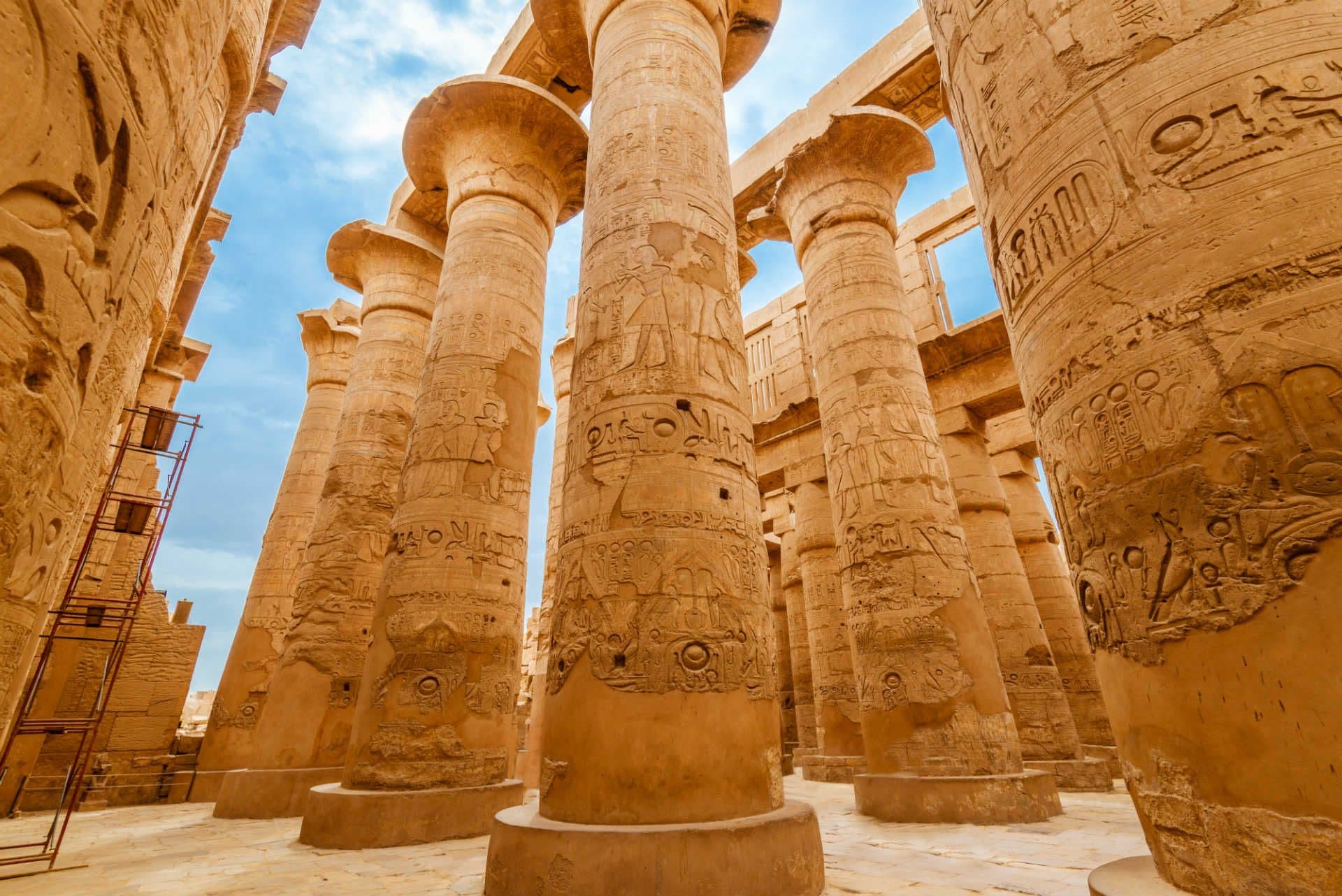
Begin at Karnak Temple Complex in the early morning before coach tours arrive. The Hypostyle Hall, with its 134 colossal papyrus columns rising 21 metres into the sky, is one of the most awe-inspiring spaces that human hands have ever constructed. Allow yourself to be dwarfed by it. Walk slowly. Touch nothing — and feel everything.
In the late afternoon, stroll the Avenue of Sphinxes connecting Karnak to Luxor Temple, a 3-kilometre processional road of ram-headed sphinxes recently excavated and opened in full. At night, Luxor Temple is illuminated in warm amber light against the black sky — a theatrical spectacle with no equal.
Day 6 — The West Bank: Cross the Nile by local ferry (a few Egyptian pounds, taken with locals and their bicycles) to the west bank — the realm of the dead in ancient Egyptian cosmology, and home to the most extraordinary concentration of royal tombs on the planet.
The Valley of the Kings contains 63 discovered tombs. Your entry ticket includes access to three; choose wisely. The Tomb of Seti I (if open) is the most elaborately decorated. The Tomb of Tutankhamun requires a supplement but carries the weight of Howard Carter's 1922 discovery in every corridor.
Don't miss the Mortuary Temple of Hatshepsut — one of antiquity's most architecturally progressive buildings, designed by a female pharaoh who ruled Egypt for two decades and is only recently receiving her full historical due.
[GALLERY:NILE_VIBES]
Day 7 — Travel to Aswan: Take the morning EGX train south to Aswan — a two-and-a-half-hour journey through sugarcane fields and Nile-side villages. Aswan is a different Egypt entirely: slower, quieter, more African in character, with a Nubian warmth that is immediately palpable.
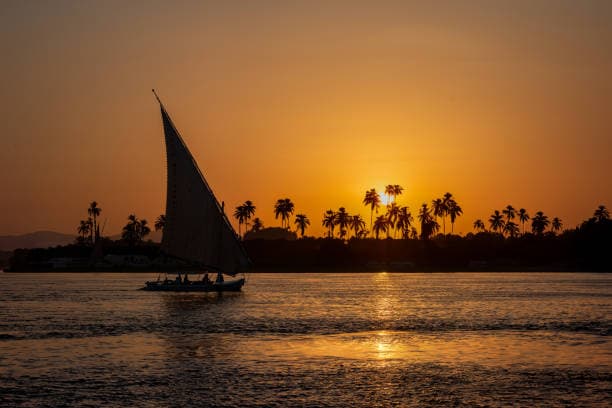
Check in and take a felucca ride around Elephantine Island in the late afternoon. The light on the Nile at this latitude, in the late afternoon, is unlike anything further north — richer, more golden, almost tangible.
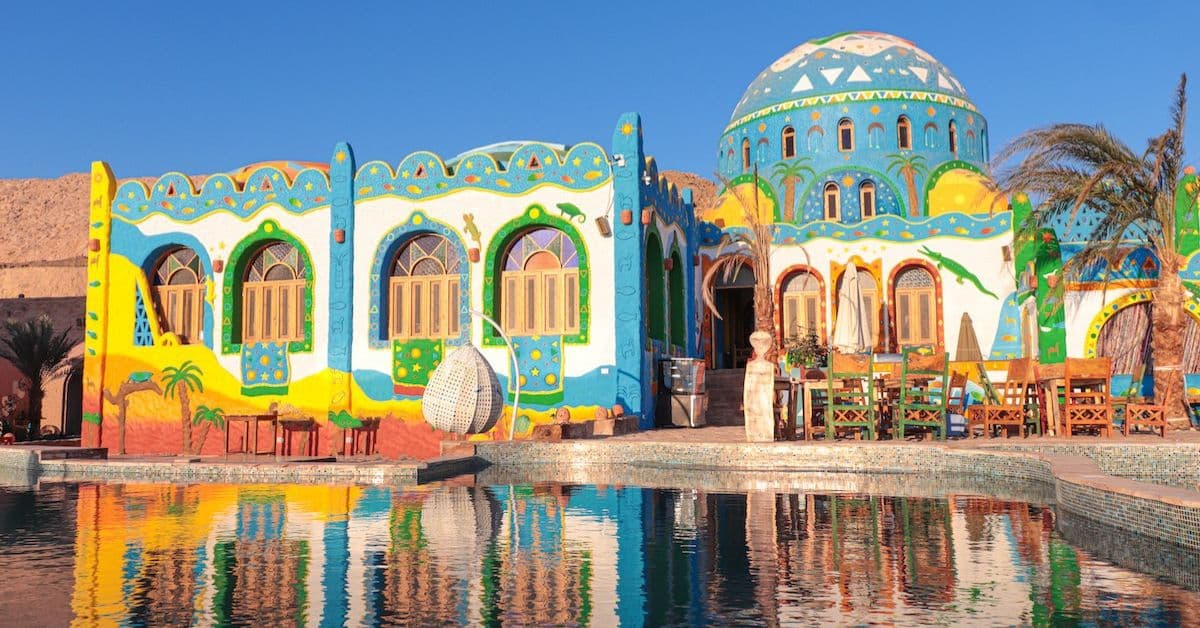
Day 8 — Aswan's Wonders: Rise early for the Abu Simbel day trip — a 3-hour drive into the Nubian Desert to the twin rock-cut temples of Ramesses II, relocated in one of the 20th century's greatest feats of engineering when the Aswan High Dam was built. The temples are aligned so that twice a year the sun penetrates 60 metres into the inner sanctum to illuminate the statues of the gods. The precision of this, achieved without modern instruments, will stay with you.
Return to Aswan for a late afternoon visit to the Nubian Museum — essential context for understanding this region's distinct culture and history. End the evening in a Nubian restaurant on the Corniche: grilled Nile perch, slow-cooked fava, and fresh mango juice.
Day 9 — Aswan to Hurghada (Transfer Day): Take a direct flight from Aswan to Hurghada (around 1.5 hours), or take the sleeper train option back through Luxor and connect. At Hurghada Airport, arrange a private transfer (book via your hotel) across the Sinai Peninsula toward Dahab — approximately 5 hours by road through the Eastern Desert and across the Ahmed Hamdi Tunnel under the Suez Canal. The landscape changes dramatically: barren, magnificent, otherworldly.
[RELATED_POST:luxor-vs-aswan-which-to-prioritize]
Phase 3: The Sinai Magic — Days 10–13
Dahab and the Red Sea Slow-Living
Dahab is where travellers go to stay longer than they planned. This former Bedouin fishing village on the Gulf of Aqaba is now a low-key, deeply charming resort town that has somehow — miraculously — maintained its soul. No high-rise hotels. No package-tour industry. Just coral-fringed coastline, Bedouin guesthouses draped in bougainvillea, and a seafront promenade (the Al-Mashraba) lined with cushion-strewn restaurants where you eat your meals with your feet practically in the water.
Day 10 — Arrival & Acclimatisation: Check into your guesthouse, hire a bicycle, and do nothing more ambitious than cycling the length of the promenade, ordering fresh seafood at lunch, and watching the sun drop behind the mountains of Saudi Arabia across the water. The reef directly off the Dahab shore is accessible with a simple shore entry — snorkel gear is rentable everywhere for a few dollars.
Day 11 — The Blue Hole: Four kilometres north of Dahab, the Blue Hole is one of the world's most famous — and most atmospheric — dive sites. A circular sinkhole plunging 130 metres into the reef, it is accessible to snorkellers at the surface (where the marine life and coral are extraordinary) and to certified divers for one of Egypt's most iconic underwater experiences.
Book your diving through one of Dahab's reputable PADI-certified operators — the town has no shortage of them, but ask for recommendations at your guesthouse. Non-divers: the snorkelling above the Blue Hole's famous "Fishbowl" section is genuinely world-class and requires no certification whatsoever.
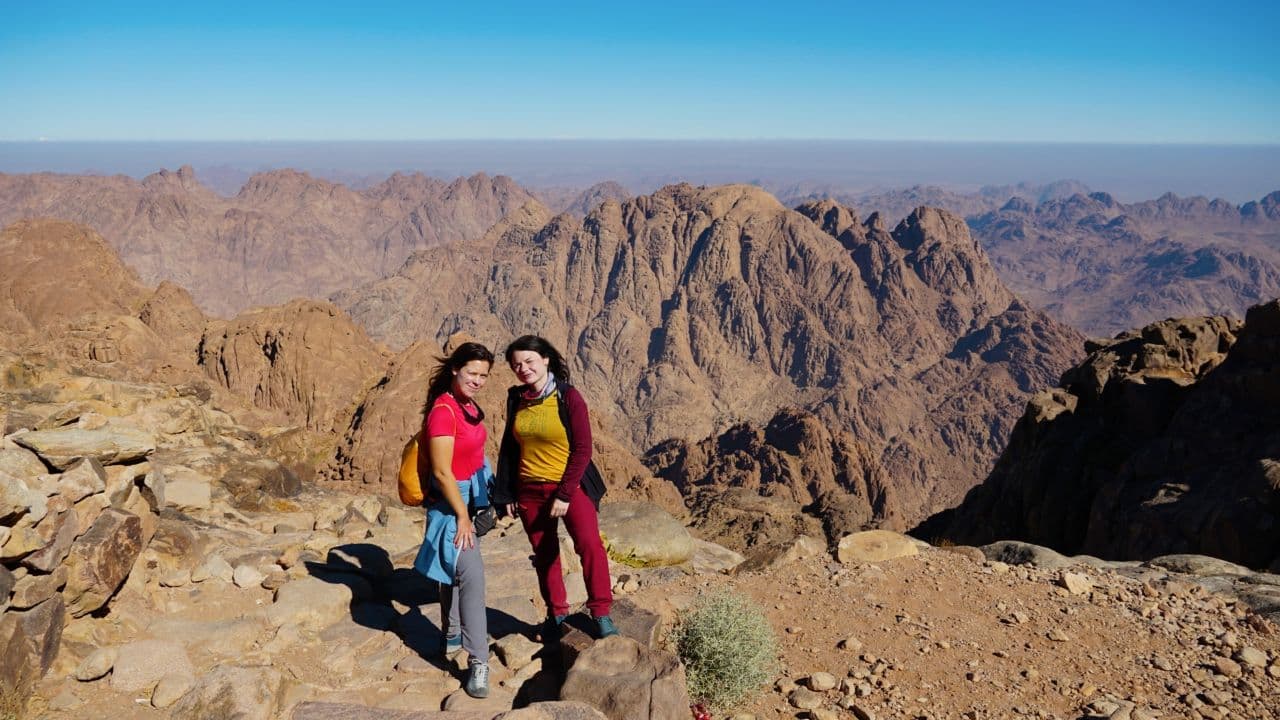
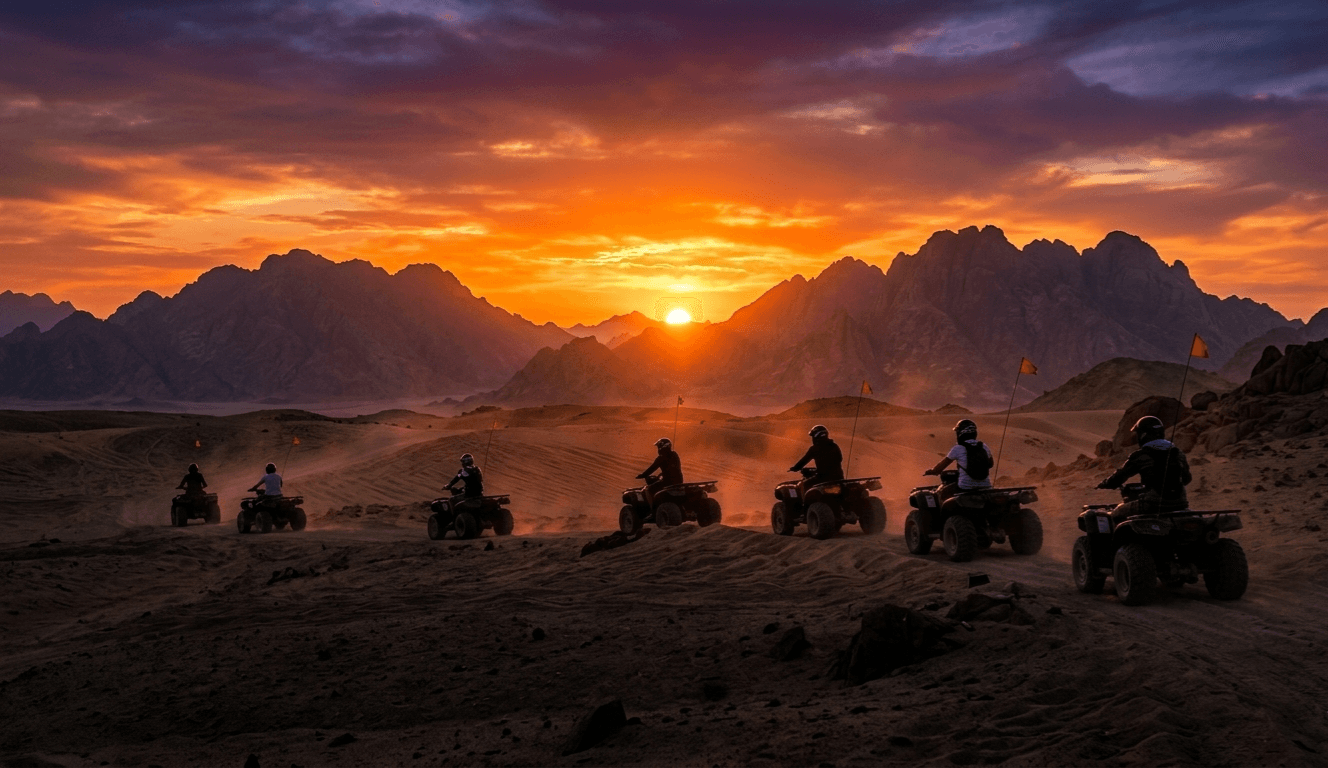
Day 12 — Bedouin Desert & Mount Sinai Option: Dahab sits at the foot of the high Sinai mountains, and the desert excursions available here are exceptional. Arrange a Bedouin jeep safari into Wadi Gnai or the Colored Canyon — a narrow gorge of swirling pink, yellow, and orange sandstone that looks painted. Your Bedouin guide will brew tea on an open fire at a wind-carved rock formation. This is one of Egypt's quiet masterpieces.
For those willing to sacrifice sleep: the Mount Sinai predawn hike (3–4 hours up, 2 hours down) via the Steps of Repentance, arriving at the summit (2,285m) in time for a sunrise of biblical drama, is one of the most powerful experiences this itinerary can offer. Arrange a taxi and guide from Dahab the evening before; depart by midnight.
Day 13 — Final Sinai Day: A free day in Dahab is not wasted. Take a half-day kite-surfing lesson at the lagoon (Dahab's consistent winds make it one of the sport's global meccas), or simply find a cushioned perch at a waterside restaurant and read. Order the mango-and-banana smoothie. Order a second. Watch the dhows drift past. Let the Red Sea do what it does.
[RELATED_POST:dahab-complete-guide-sinai]
Phase 4: The Final Flourish — Day 14
High-End Shopping and a Final Nile-View Dinner
Transfer from Dahab to Cairo by road and air (Sharm el-Sheikh Airport is 90 minutes from Dahab; multiple daily flights to Cairo). You'll land in Cairo with one final, precious afternoon.
Spend it well. City Stars Mall in Heliopolis covers all practicalities; for character and craft, head instead to Zamalek's boutiques along Shagaret El Dor Street — Egyptian linen, hand-blown glass, and artisan ceramics make the finest souvenirs and the easiest luggage. The Khan Misr Toulon antique market in the Sayyida Zeinab district is a more adventurous alternative for those who know what they're looking for.
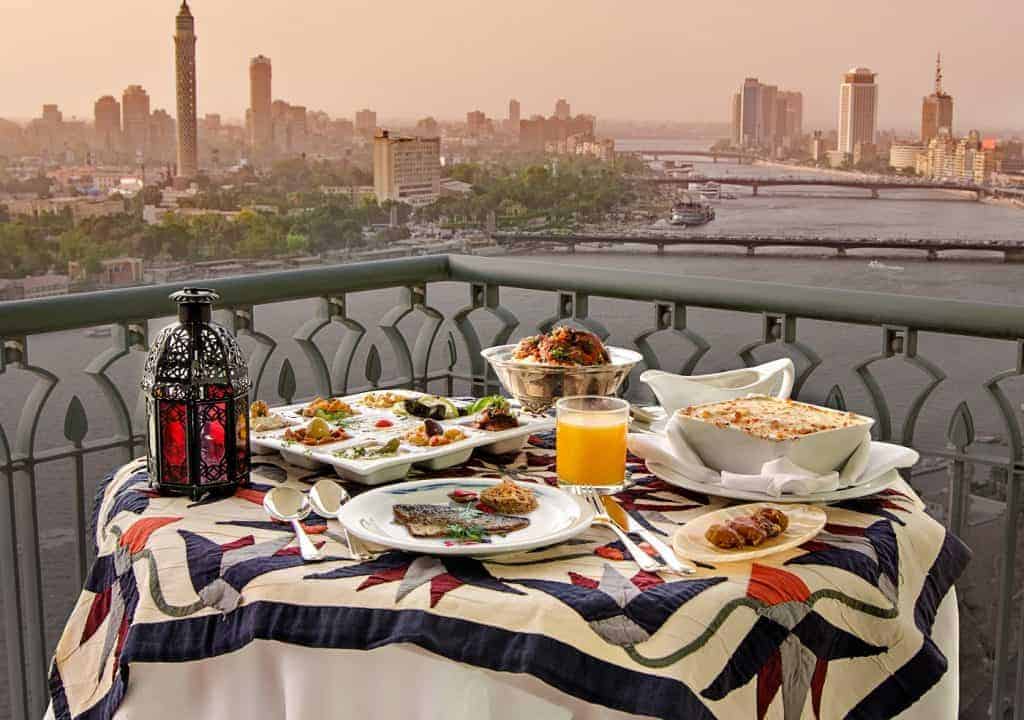
For your final dinner, a Nile-view table is the only acceptable conclusion. Sequoia at the tip of Abu el-Ela in Zamalek offers an outdoor terrace suspended over the river. The mezze here — baba ganoush, hummus, vine leaves, grilled halloumi, fattoush — arrives in waves, paired with fresh-pressed juices and the sound of the water below.
Order everything. Eat slowly. Watch the feluccas slide through the amber reflection of the city lights on the Nile. Egypt has given you 14 days of itself, and this — this very moment — is the correct way to say goodbye.
The EgyptBound Survival Guide
The Essential Bible Section: What Every Traveller Needs to Know
[IMAGE_PLACEHOLDER: An illustrative map or a clean graphic showing the 14-day route across Egypt]
🚆 Transport: Sleeping Trains & Uber
The Sleeping Train is operated by Watania Sleeping Trains and runs nightly between Cairo (Ramses Station) and both Luxor and Aswan. Tickets must be booked in advance online. Compartments are private or shared twin-berths with air conditioning, clean linen, and a basic dinner/breakfast service included. This is not the Orient Express — but it is deeply romantic and functionally excellent. For the Cairo–Luxor leg especially, it is the finest way to travel.
Uber operates confidently in Cairo, Alexandria, and to a lesser degree in Luxor and Aswan. Always use the app for airport transfers in Cairo — it eliminates the haggling that plagues unofficial taxi stands and provides a clear fare before you commit. In smaller cities, negotiate with local taxis in advance; agree a price before you get in, and ask your hotel what the correct rate should be.
Internal Flights are served primarily by EgyptAir and budget carriers like Nile Air and Air Cairo. The Cairo–Luxor, Cairo–Aswan, and Aswan–Sharm/Hurghada routes are all well-served and affordable when booked 2–3 weeks ahead.
💰 Budgeting: Comfort vs. Luxury
All prices are approximate in USD, per person per day, based on a couple travelling together.
| Category | Comfort Traveller | Luxury Traveller |
|---|---|---|
| Accommodation | $40–80/night (boutique guesthouses, 3-star hotels) | $150–400+/night (5-star Nile-view hotels, heritage properties) |
| Food & Drink | $15–25/day (local restaurants, street food, juice bars) | $60–120/day (hotel dining, rooftop restaurants, fine mezze) |
| Transport (intercity) | $20–40/day avg. (trains, shared minibuses, Uber) | $60–150/day avg. (private drivers, domestic flights, transfers) |
| Entry Fees & Tours | $20–40/day (self-guided with online tickets) | $60–150/day (private Egyptologist guides, skip-the-line access) |
| Activities | $10–30/day (snorkelling, felucca, local tours) | $80–200/day (private diving, desert safaris, sunset cruises) |
| Daily Total (per person) | ~$105–175/day | ~$430–1,020/day |
| 14-Day Total (per person) | ~$1,500–2,500 | ~$6,000–14,000+ |
EgyptBound Tip: The sweet spot for most travellers is a hybrid approach — splurge on one or two extraordinary hotels (a Nile-view property in Luxor or Aswan is worth every pound) while keeping food costs low by eating where locals eat. Egypt rewards this strategy handsomely.
🤝 Tipping & Interaction: The Baksheesh Social Contract
Baksheesh — the practice of tipping for services rendered, however minor — is embedded in Egyptian social and economic culture, and understanding it removes enormous friction from your trip.
This is not begging, and it is not a scam. It is a distributed micro-economy in which small tips (often the equivalent of $0.25–$1) compensate workers in the tourist sector who earn very modest formal wages. The temple guard who opens a restricted door for a better photograph, the bathroom attendant, the man who holds your camel: a few Egyptian pounds is the appropriate and expected acknowledgement.
Standard tipping rates:
- Restaurants: 10–15% if no service charge is included (check the bill — many upscale restaurants add it automatically)
- Hotel staff: EGP 20–50 per bag carried; EGP 50–100 for housekeeping per stay
- Local guides: $5–10 per person for a half-day; $15–20 for a full day
- Private Egyptologist guides: $20–50 per day depending on depth and exclusivity
- Drivers: EGP 50–100 for airport runs; $10–20 per day for private drivers
On interaction: Egyptian hospitality is famously genuine and almost overwhelming in its warmth. Invitations to tea, offers of directions, questions about your country — these are not preambles to a hard sell (though some are). Engage with discernment and good humour. Learn five words of Arabic — shukran (thank you), la shukran (no thank you), sabah el-kheir (good morning), tamam (good/okay), kmaan (more) — and watch Egyptian faces transform with delight every time you use them.
[RELATED_POST:how-to-tip-in-egypt-complete-guide]
A Final Word
Egypt is not a passive destination. It asks something of you — your patience in traffic, your stamina under the sun, your willingness to relinquish the illusion of control and surrender to a country that operates entirely on its own magnificent terms.
In return, it offers something that very few places on earth still can: the genuine, vertiginous sensation of standing inside human history. Of touching walls that were old before Rome was built. Of watching a Nile sunset that is identical to the one a scribe watched 3,000 years ago, papyrus in hand, cat at his feet.
Fourteen days is your invitation. Egypt will take care of the rest.
All information correct at time of publication. Entry fees, train schedules, and visa requirements are subject to change — always verify current details through official Egyptian tourism channels before travel.
[RELATED_POST:egypt-visa-requirements-updated]
[RELATED_POST:best-time-to-visit-egypt]
© EgyptBound — Premium Travel for the Curious Traveller
EgyptBound exclusive
Ready to explore?
Book your flights and hotels through our verified local partners.